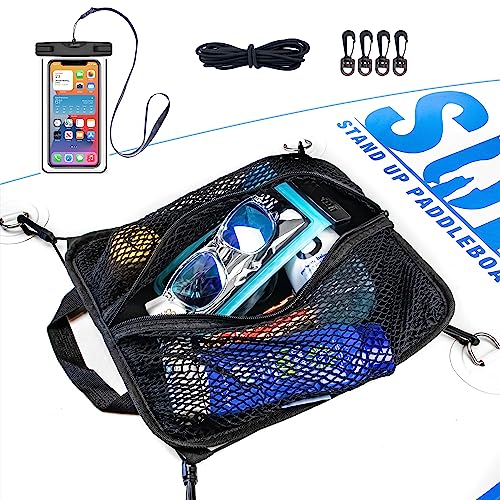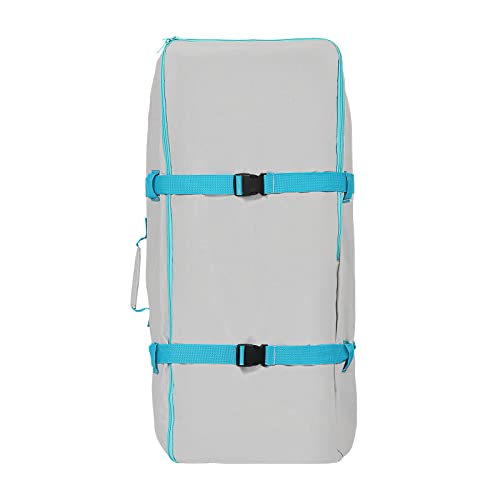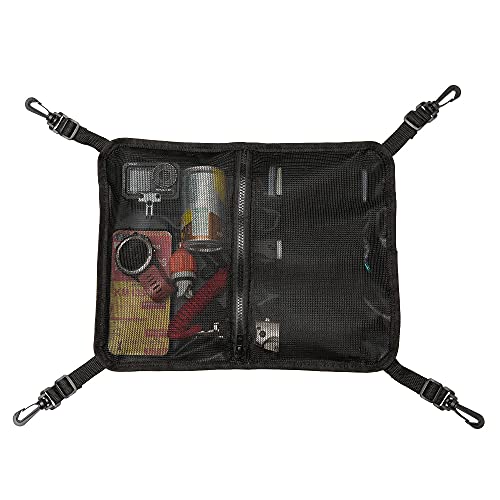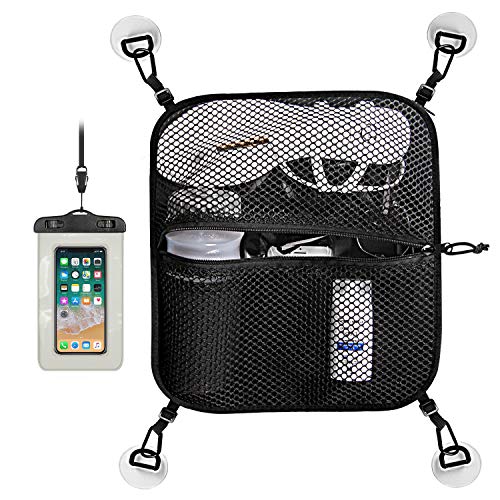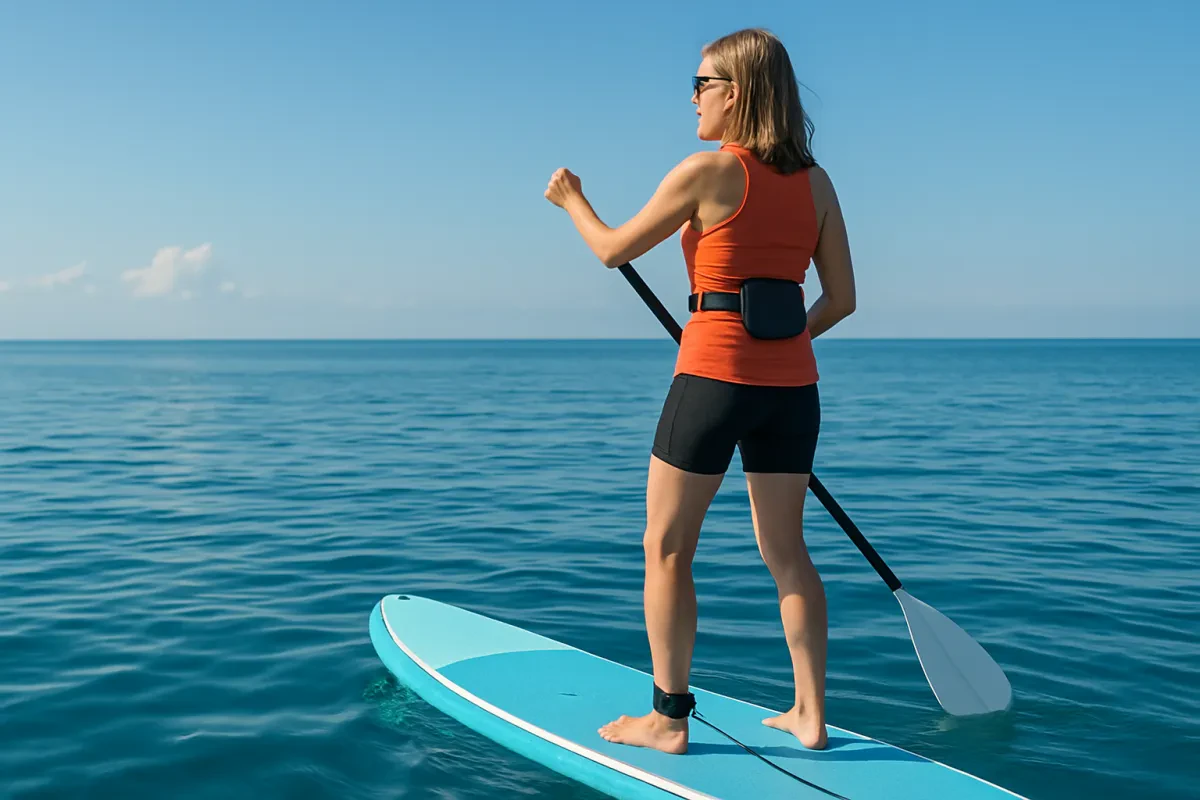
Next up, make sure you’ve got the right gear. A good paddle is essential—look for one that feels comfortable in your hands and is the right height for you. It’s also smart to wear a life jacket, especially if you’re in deeper water. Remember to dress for the conditions; quick-dry clothing or swim gear is usually a good bet.
Once you’ve got your board and gear sorted, practice makes perfect! Start in calm waters, like a lake or a calm bay. Get on your knees at first to find your balance, then gradually stand up. Keep your feet shoulder-width apart and bend your knees slightly to absorb any waves. Focus on looking ahead, not down at your feet, and you'll find your balance much easier.
Don’t worry about speed or distance right away. Just enjoy the ride and take in the scenery! Paddleboarding is all about having fun and connecting with the water. Remember these Beginner Stand Up Paddleboarding Tips, and you’ll be cruising along like a pro in no time!
Choosing the Right SUP Board
When looking at boards, consider the length and width. A wider board provides better stability, which is super helpful for beginners. Most folks starting out should look for a board that's around 10 to 12 feet long and at least 30 inches wide. This setup helps you balance and stay upright while you’re learning the basics.
Don’t forget about the board’s shape! All-around boards have a nice balance of stability and speed, making them perfect for casual paddling and exploring. If you plan on doing some yoga or fitness on your board, look for one designed for those activities. It will have the right features to keep you steady as you stretch and strengthen.
Material matters, too! Inflatable boards are usually lighter and easier to transport, which makes them a great choice if you don’t have a big vehicle. Hard boards, on the other hand, are more durable and perform better in different water conditions. Think about how you plan to use the board before making your choice.
Finally, trust your instincts! Test out a few boards if you can. Many rental places let you try before you buy, which is a fantastic way to find what feels right for you. Remember, the goal is to have fun on the water, so pick a board that excites you!
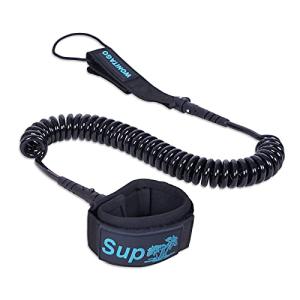
LINGVUM Coiled SUP Leash Premium Stand Up Paddle Board Leg Rope Wrist Strap Surfboard Leash for Paddleboard, Shortboard, Longboard
Stay connected to your board with this durable and lightweight coiled leash, perfect for any water adventure
Product information
$14.99
Product links
Safety Tips for Beginners
Getting into stand up paddleboarding is exciting, but safety should be your top priority, especially when you're just starting out. Here are some essential safety tips to keep in mind as you dive into the world of SUP.
First off, always wear a personal flotation device (PFD). It's comfortable and provides peace of mind, especially if you're new to the water. Choose a PFD made for paddling; these are designed to allow you to move freely while keeping you safe.
Next, pay attention to the weather and water conditions before heading out. Wind and waves can change quickly, and they can be tricky for beginners. Check for any warnings and be ready to change your plans if conditions aren’t right. A calm day is your best friend.
Start in calm, familiar waters. Lakes and slow-moving rivers are perfect spots for those initial paddles. They allow you to focus on finding your balance and getting a feel for the board without the stress of rough conditions.
Finally, practice falling! It might sound silly, but knowing how to get back on your board after a fall is crucial. Try to fall away from your board and swim to it. Getting comfortable with this can boost your confidence and keep the fun in paddleboarding.
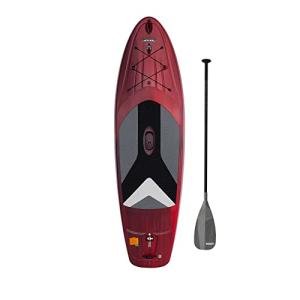
Lifetime Horizon 100 Hardshell Stand-Up Paddleboard (Paddle Included), Volcano Fusion
This durable paddleboard offers stability and fun for all skill levels, making it a great choice for your next adventure on the water
Product information
$599.99
Product links
Basic Techniques to Master
Alright, let’s dive into some basic techniques that will help you feel like a pro on your stand-up paddleboard. Mastering these skills early on is key to enjoying your time on the water and staying safe. Trust me, a little practice goes a long way!
First, let’s talk about your stance. Stand with your feet about hip-width apart, keeping your knees slightly bent. This helps you maintain balance. Center your weight over the board, and remember to keep your core engaged. This stance will give you better control and make paddling easier.
Now, onto the paddling technique! Hold the paddle with one hand on the top and the other hand a bit further down the shaft. When you paddle, reach out in front of you and pull the paddle back alongside the board in a straight line. Make sure to switch sides every few strokes to maintain a straight path. If you feel yourself veering off course, just paddle on the opposite side to correct it.
Don’t forget about turning! To turn left, paddle on the right side of the board and vice versa. You can also try a pivot turn: just step back on the tail of your board and paddle hard on the side you want to turn towards. This is a fun way to change direction quickly!
Lastly, practice falling safely. It’s going to happen, and that’s okay! Try to fall away from your board to avoid hitting it. Getting back on is simple: just swim to the side, grab the handle, and pull yourself back on. Now you’re ready to hit the water with confidence and enjoy your time out there using these Beginner Stand Up Paddleboarding Tips!